고정 헤더 영역
상세 컨텐츠
본문
728x90
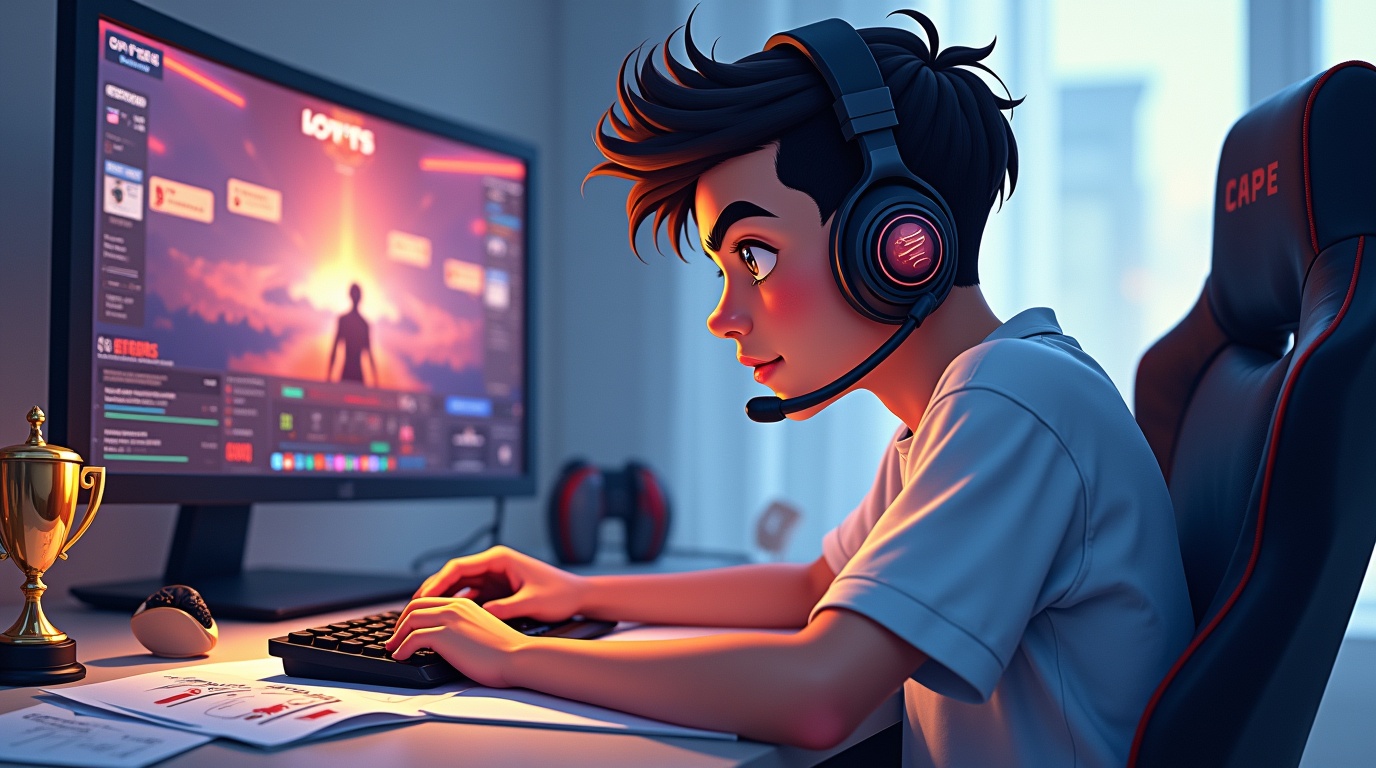
Introduction: Gaming Is No Longer “Just for Fun”
Not long ago, telling someone you spent hours gaming would earn you strange looks. “Isn’t that a waste of time?” people would ask. Fast forward to today, and gaming has become one of the fastest-growing career ecosystems in the world.
The idea that gaming is only entertainment is outdated. Competitive gaming fills stadiums, streamers earn more than corporate executives, and behind every successful game is a massive team of designers, developers, marketers, analysts, and community managers.
The truth is simple: gaming has evolved into a serious career option—and not just for elite pro players.
In this article, we’ll explore how gaming transformed into a professional industry, the career paths it offers, the skills you need, and practical steps to turn your passion into income. Whether you’re a student, a casual gamer, or someone considering a career switch, this guide will give you a realistic, grounded view of what’s possible.
The Gaming Industry: From Hobby to Global Business
Gaming today is bigger than movies and music combined. What started with arcade machines and home consoles has turned into a global digital economy.
Several factors fueled this growth:
- High-speed internet access
- Affordable gaming devices
- Online multiplayer ecosystems
- Streaming and content platforms
- Mobile gaming accessibility
Gaming is now:
- A competitive sport
- A content creation industry
- A technology-driven business
- A social and cultural movement
This shift opened doors to thousands of careers—many of which don’t even require you to be great at playing games.
How Competitive Gaming Created Professional Careers
One of the biggest turning points was the rise of competitive gaming, often called esports.
Competitive gaming introduced:
- Structured tournaments
- Professional teams
- Sponsorships and prize pools
- Coaching and analytics
Today, gaming careers in this space include:
- Professional players
- Team coaches and strategists
- Analysts and scouts
- Tournament organizers
- Broadcasters and commentators
📌 Reality check: Very few gamers become top-tier players—but the ecosystem around them employs far more people than the players themselves.
Streaming and Content Creation Changed Everything
Streaming platforms completely reshaped how gaming generates income.
Now, gamers can earn through:
- Live streaming
- Video content
- Subscriptions and donations
- Brand partnerships
- Affiliate marketing
You don’t need millions of followers. Many creators build sustainable income with small but loyal communities.
📌 Relatable example: A streamer who explains gameplay calmly and helps beginners often grows faster than someone who’s just highly skilled but not engaging.
Key skills here include:
- Communication
- Consistency
- Audience engagement
- Personal branding
Gaming Careers Beyond Playing Games
This is where many people are surprised. Most gaming jobs don’t involve playing at all.
Here are major career paths within the gaming industry:
🎮 Game Development
- Game designers
- Programmers
- Level designers
- QA testers
🎨 Creative Roles
- Graphic artists
- Animators
- Sound designers
- Writers
📈 Business & Marketing
- Community managers
- Social media specialists
- Influencer managers
- Brand strategists
🧠 Technical & Support Roles
- Data analysts
- Cybersecurity experts
- Cloud engineers
- Customer support leads
📌 Important insight: If you have any professional skill, there’s likely a place for it in gaming.
Skills You Need to Build a Career in Gaming
Turning gaming into a career requires more than passion. You need transferable, future-proof skills.
Technical Skills
- Game engines (Unity, Unreal)
- Video editing
- Streaming tools
- Data analysis
- Programming basics
Soft Skills (Often More Important)
- Communication
- Teamwork
- Problem-solving
- Time management
- Adaptability
📌 Tip: Many successful gaming professionals say communication helped them more than technical skill in the long run.
Education vs Experience in Gaming Careers
Unlike traditional careers, gaming values experience over degrees.
What matters most:
- Portfolios
- Real projects
- Online presence
- Community involvement
That said, learning still matters. Many professionals use:
- Online courses
- Bootcamps
- Tutorials
- Self-driven practice
Helpful learning platforms:
📌 Advice: Build while you learn. Don’t wait until you “know everything.”
How Money Is Made in Gaming (Realistically)
Let’s talk honestly about income.
Gaming careers earn through:
- Salaries (studios, companies)
- Sponsorships
- Ad revenue
- Subscriptions
- Freelance projects
Income varies widely. Some earn modest but stable salaries. Others scale dramatically with audience growth or specialization.
📌 Truth: Gaming careers reward consistency and patience more than overnight talent.
Actionable Steps to Turn Gaming Into a Career
Here’s a practical roadmap you can start today:
- Identify your strength (playing, editing, writing, organizing, designing)
- Choose one clear path instead of trying everything
- Learn the required tools
- Create real content or projects
- Build an online presence
- Network inside gaming communities
- Monetize gradually
📌 Golden rule: Treat gaming like a profession before it pays like one.
Challenges in Gaming Careers (Be Prepared)
Gaming careers are exciting—but not easy.
Common challenges:
- High competition
- Burnout
- Irregular income (initially)
- Negative online behavior
📌 Personal insight: People who succeed usually love the process—not just the outcome.
Balance, discipline, and mental health matter more than grinding endlessly.
The Future of Gaming as a Career
The future looks strong.
Emerging opportunities include:
- Virtual reality gaming
- Cloud gaming platforms
- AI-driven game design
- Gaming education and coaching
- Metaverse-related roles
As gaming continues to merge with technology, media, and education, career options will only expand.
Conclusion: Gaming Is a Career—If You Treat It Like One
Gaming has evolved far beyond entertainment. It’s now a multi-billion-dollar career ecosystem with room for players, creators, professionals, and innovators.
You don’t need to be the best gamer in the world. You need:
- A clear direction
- Practical skills
- Consistency
- A professional mindset
If gaming is something you already love, you’re not starting from zero—you’re starting with an advantage.
Frequently Asked Questions (FAQ)
1. Can gaming really be a long-term career?
Yes. Many roles in gaming offer stable, long-term growth beyond playing games.
2. Do I need expensive equipment to start?
No. Many careers start with basic tools and grow over time.
3. Is gaming a risky career choice?
Like any creative field, it has risks—but planning and skill-building reduce them.
4. Can older people enter gaming careers?
Absolutely. Many roles value experience more than age.
5. How long does it take to earn from gaming?
Some see income in months, others in years. Consistency is key.
728x90
'Gaming' 카테고리의 다른 글
| Best Offline PC Games to Play Without Internet (2024 List) (0) | 2025.05.15 |
|---|---|
| Top 5 Play-to-Earn (P2E) Games You Should Try in 2025 (0) | 2025.05.09 |
| The Best Open-World Games That Make You Feel Alive (0) | 2025.05.02 |
| Top 10 Most Anticipated Video Games of 2025: What Gamers Can't Wait For! (0) | 2025.04.29 |


