고정 헤더 영역
상세 컨텐츠
본문
728x90
"Discover how quantum computing is changing tech, medicine, and cybersecurity. Learn its benefits, challenges, and real-world impacts. #QuantumComputing #TechTrends"
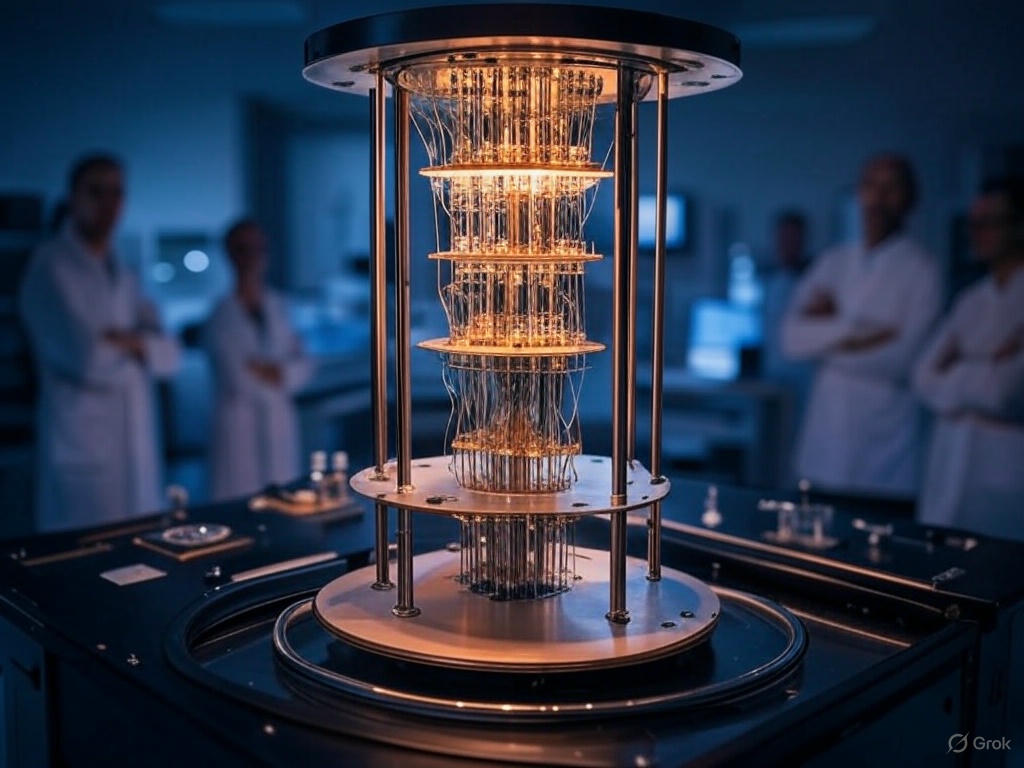
Imagine a computer so powerful it could solve problems in minutes that would take today’s machines billions of years. Sounds like sci-fi, right? Welcome to quantum computing, the tech revolution that’s turning fiction into reality. Unlike regular computers, quantum machines use the mind-bending rules of physics to tackle massive challenges, from curing diseases to securing our data. As someone who’s been geeking out over tech breakthroughs, I’m thrilled to see quantum technology making waves. In this article, we’ll explore what quantum computing is, how it works, and why it’s a game-changer for the future of computing. Plus, I’ll share tips on how you can ride this wave. Let’s jump into the quantum world and see what’s coming!
What Is Quantum Computing, Anyway?
At its core, quantum computing is a new way of building computers. Regular computers use bits—think of them as tiny switches that are either 0 or 1. Quantum computers use qubits, which can be 0, 1, or both at the same time, thanks to a quirky physics trick called superposition. This lets them process tons of possibilities at once. I like to think of it as a chef juggling multiple recipes simultaneously instead of cooking one dish at a time. Companies like IBM and Google are already building quantum machines, and you can learn more at IBM Quantum.
How Does Quantum Computing Work?
Don’t worry, I won’t bore you with equations. Quantum technology relies on three key ideas: superposition, entanglement, and interference. Superposition lets qubits handle multiple states at once. Entanglement links qubits so they act as a team, even across distances. Interference helps quantum computers zero in on the right answers. Imagine a maze: a regular computer tries every path one by one, but a quantum computer explores all paths at once. It’s still early days, but this quantum advantage is why tech giants are investing billions. Check out MIT Technology Review for the latest on quantum breakthroughs.
Real-World Applications of Quantum Computing
The quantum applications are mind-blowing. Here’s how quantum computing could change our lives:
- Healthcare: Speed up drug discovery by simulating molecules. A small biotech firm could find a cancer cure faster.
- Cybersecurity: Crack or create unbreakable codes. Quantum encryption could protect your bank account like never before.
- Climate Change: Optimize renewable energy systems. Imagine a solar company using quantum tools to double efficiency.
- Finance: Improve risk analysis for investments. A freelancer managing a portfolio could benefit from quantum-powered tools.
I read about a startup using quantum tech to optimize delivery routes, saving time and fuel. These uses show why quantum innovation is so exciting.
The Challenges Holding Quantum Back
Quantum computing isn’t perfect yet. Qubits are super sensitive—think of them as divas who hate noise, heat, or even a stray vibration. This makes quantum machines hard to build and maintain. They’re also crazy expensive, so only big players like Google or IBM can afford them right now. Plus, we need more quantum programmers—there aren’t enough experts to go around. I chatted with a friend in tech who said training for quantum skills is like learning a new language. Despite these hurdles, progress is fast. Visit Nature for updates on quantum research.
How You Can Get Involved in Quantum Computing
You don’t need a PhD to join the quantum innovation wave. Here are actionable ways to dive in:
- Learn the basics: Take free online courses like those on Coursera or IBM’s Qiskit platform to understand quantum technology.
- Explore careers: Look into quantum programming or data science roles. Sites like LinkedIn list quantum-related jobs.
- Invest wisely: Consider stocks in quantum-focused companies like IBM or startups like Rigetti. Always research first—check Investopedia for tips.
- Join communities: Connect with quantum enthusiasts on Reddit or X to stay updated.
I started following quantum tech on X, and it’s inspiring to see regular people excited about the future of computing. Start small, and you’ll be ahead of the curve.
What Quantum Means for Jobs and Industries
The rise of quantum computing will shake up industries. Some jobs, like traditional coding, might evolve, but new roles in quantum software and hardware will pop up. For example, a small business owner could use quantum tools to analyze customer data faster, outpacing competitors. On the flip side, industries slow to adapt might struggle. I know a graphic designer who’s learning quantum basics to stay relevant in tech-driven design. The quantum advantage will reward those who embrace change, so staying curious is key.
The Long-Term Future of Quantum Computing
In 10–20 years, quantum computing could be as common as smartphones. We might see quantum-powered AI solving global problems, like predicting weather with pinpoint accuracy. Governments are already racing to lead in quantum technology—China and the U.S. are pouring billions into research. But there’s a catch: ethical questions, like who controls quantum power, need answers. I imagine a world where quantum tools help everyday people, like a farmer optimizing crops with quantum apps. The future of computing is bright, but it’s up to us to shape it.
Conclusion
Quantum computing is more than a tech buzzword—it’s a revolution that’ll redefine our world. From healthcare to cybersecurity, its quantum applications promise a brighter future. Sure, there are challenges, but the potential is worth it. Whether you’re learning about quantum technology, exploring new careers, or just staying curious, now’s the time to engage with this quantum innovation. The future is coming fast, and quantum computing is leading the charge. Take one step today—maybe check out a quantum course—and join the ride!
FAQ
1. What is quantum computing in simple terms?
It’s a new type of computing that uses quantum physics to solve complex problems much faster than regular computers.
2. When will quantum computing be mainstream?
Experts predict 10–20 years for widespread use, but basic applications are already here in research and industry.
3. Can I learn quantum computing without a tech background?
Yes! Free online courses from IBM or Coursera make it accessible for beginners.
4. Will quantum computing replace regular computers?
Not likely. Quantum computers are best for specific tasks, while regular computers will still handle everyday needs.
5. Is quantum computing safe for cybersecurity?
It could break current encryption but also create stronger security. Researchers are working to stay ahead.


